


Casey 6R | Dec 16, 2025 — The first time I hauled an RV across a province line, I assumed "a night of camping" was just… camping with a big old rig parked next to me.

Then I spent one night wedged between two fifth wheels at an RV park, listening to somebody’s Rogan podcast through the wall. 2 nights later I was in a provincial park watching loons peacocking on glassy water (they’re psychotic). A week after that I was rattling down a logging road to a lonely Crown land pullout, wondering if that rumble was thunder or someone coming after me with a chainsaw.

Point is: same rig. 3 totally different vibes. Now I’m on my coffee break, and I’m thinking:

Hey, I should at least try to help people figure out where to sleep in Canada...

Cause it really only comes down to 3 choices:

  • RV parks: good for plugging in and recovering

  • Provincial parks: scenery and trails with some comfort

  • Crown land: freedom, if you’re willing to be self-sufficient to a degree

They’re all good. Just depends on the kind of people or elements you want to be surrounded by.

RV Parks: Zero-Brainpower Camping

End of a long driving day. Headwind, construction, GPS meltdown, everyone’s almost raging. Now’s not the moment to go hunting for a mystery forest road. Now’s RV park time.

You roll in, back onto something mostly level, plug in, hook up water, maybe take a dump, maybe shower. There’s probably Wi-Fi. There’s definitely someone way too into their new speaker system.

It’s not wilderness, exactly. It’s: predictable, close to groceries and gas, and perfect for "I just need the world to stop wobbling for one night."

With a few basics dialed in, RV parks become extremely boring, which is exactly what I want from them:

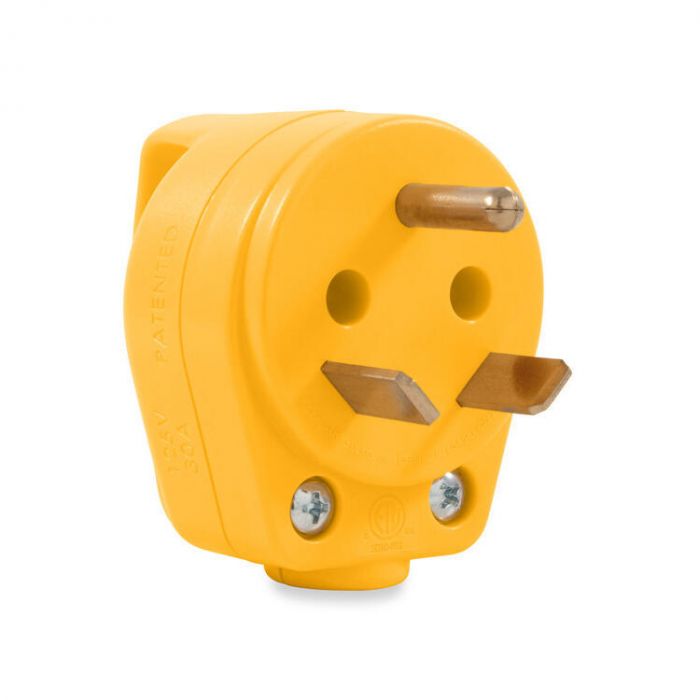
  • Surge protector on the power pedestal

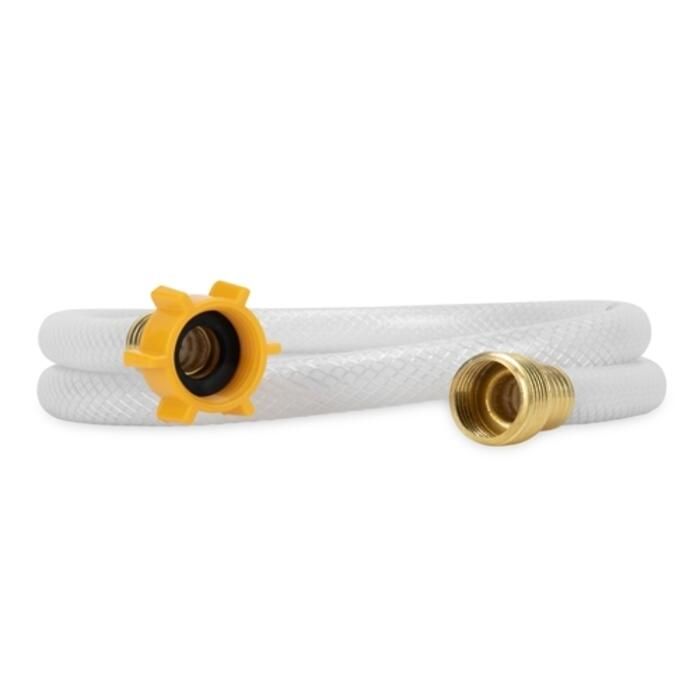
  • Proper drinking-water hose and filter

  • Decent leveling blocks

In this scenario, I treat RV parks like motels: in, reset, out.

Provincial Parks: The "Ah, There It Is" Feeling

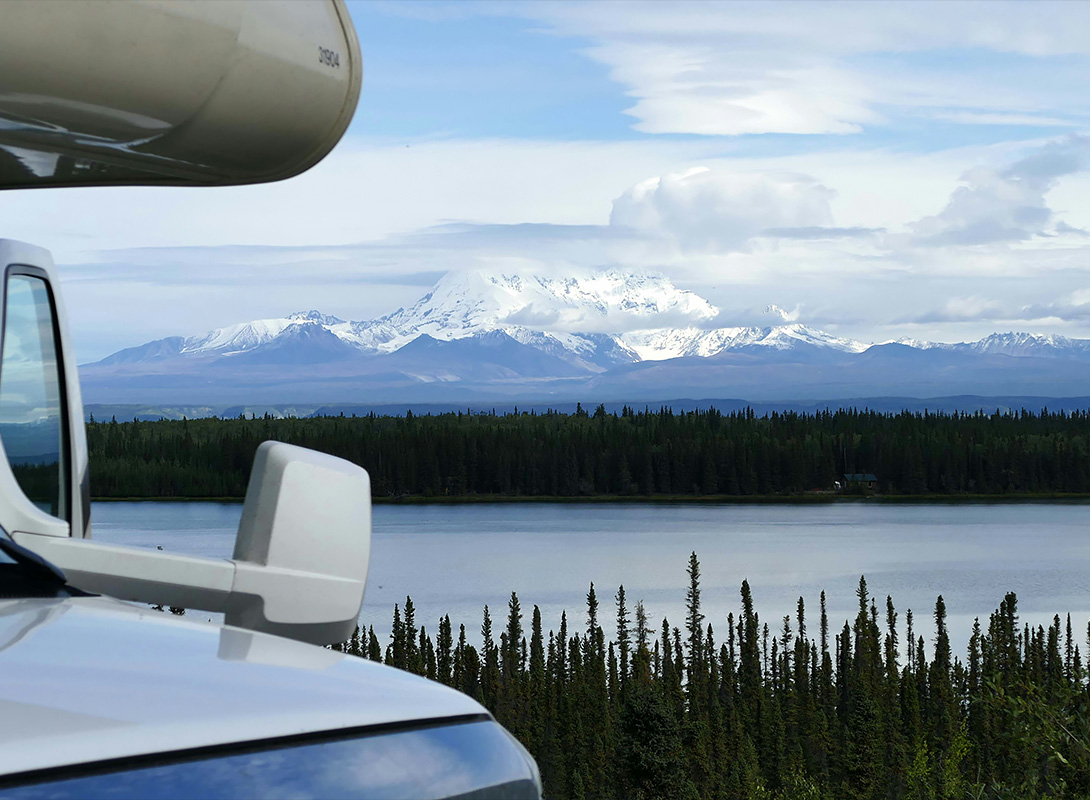
If RV parks are motels, provincial parks are the lakeside lodge with a muddy trail map in the lobby. Trees. Water. Firepits that inspire crazy stories. Loons watching your every move.

You might get power, you might not. There’s usually a dump station and toilets, often showers. Sites are more spaced out, and your view is more likely to be forest than someone’s slideout.

The catch is the reservation game. Want a prime July weekend in a bucket-list park? For the love of Mackenzie, set an alarm and be ready when bookings open.But when you land a good site and stay a few days, this is where RV life starts to feel less like "using a vehicle" and more like "living somewhere nice for a bit."

Morning coffee, mist on the lake. Afternoon swim. Evening fire. Zero need to move the rig. If your setup can handle a few days off-grid (decent battery, okay water capacity, maybe some solar or a small generator), the unserviced loops are often the sweetest: quieter, darker, with less generator fiascos.

A lot of people discover here that their original plan of "we’ll only ever use full-hookup sites" doesn’t match how they actually like to camp. That’s usually when they start asking about simple power and water upgrades. Not showroom stuff, just "give me what works so I can stop chasing pedestals." That’s where we come in clutch.

Crown Land: Freedom With Responsibilities

Now for the spicy one: Crown land. On paper: huge amounts of public land where, as a Canadian resident, you can often camp for free for a limited time.

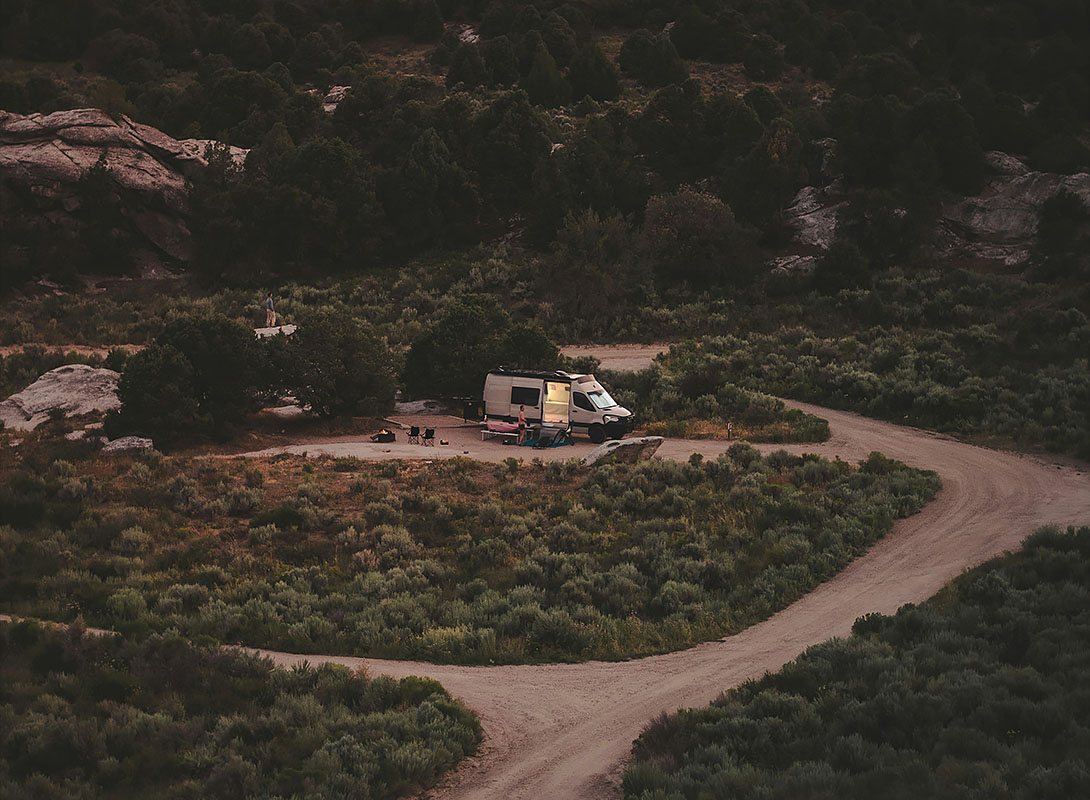
In practice: you turn off onto gravel, then smaller gravel, then something your map insists is a road. You find a wide spot with an old fire ring. No table. No hookups. No dumpster. No neighbours either. Just you, your rig, and whatever you remembered to pack.

When it works, it feels almost illegal in the best way: silence, stars, and no checkout time. When it doesn’t, you get: washed-out access roads, trashy “sites” full of broken glass, and spots already taken by folks who seem allergic to sleep

Nobody is curating this for you. So here’s what you need to know, before you go:

  • Is camping allowed here?

  • How long can I stay?

  • What’s my plan for water, power, and waste?

  • Where will I dump and refill after?

Most of us earn these answers the hard way once: dead battery, full black tank, low water, and the closest dump a long drive away. You don’t need some expedition truck with traction boards on every flat surface. But I’ll tell ya what you do need:

  • Enough water or a way to get it

  • A power setup you trust

  • A way out if weather or road conditions change on you

Crown land is awesome. It’s also a test of how honest you’re willing to be with yourself about your rig and your skills. Try it out with a few close friends to keep you company; it might not be best to tackle this option alone if you’re starting out.

How I Use All 3

In a typical year, I don’t pick a side. I use them all.

If I’m chewing through kilometres, I string RV parks along the route. Drive, park, plug in, shower, sleep. They’re my reset points and "I need to be online tomorrow" bases.

If the trip is about a specific place–a river, a coast, a set of trails–I aim for provincial parks first. I put in the effort on reservations so I can stop thinking about logistics and just live there for a while.

Crown land is my "everything’s booked" safety valve and my shoulder-season playground. 1 or 2 nights off a forest road, then a civilized stop in town for dump, water and groceries. Repeat until the weather or my vacation time runs out.

If you’re new, you don’t need to be heroic. A simple progression works:

  • Start with an RV park. Learn your setup without worrying about power or water.

  • Book one provincial-park trip you’re genuinely excited about. Stay long enough to feel settled.

  • Try a single Crown land overnight not too far from home, with a clear backup plan if the spot is a bust.

By the end of that, you’ll know what actually fits you, not just what looks cool in someone else’s photos.

Gear, But Making It Make Sense

Since I’m writing this for 6Routes, I should talk gear for a second, but I’ll keep it honest. There’s the gear that looks great in ads, and then there’s the stuff you quietly rely on every single weekend. Across all 3 styles of camping, the second list is pretty short:

Power that matches your output.

Maybe that’s a simple surge protector and cord for RV parks. Maybe it’s a modest battery + solar setup for unserviced loops and Crown land.

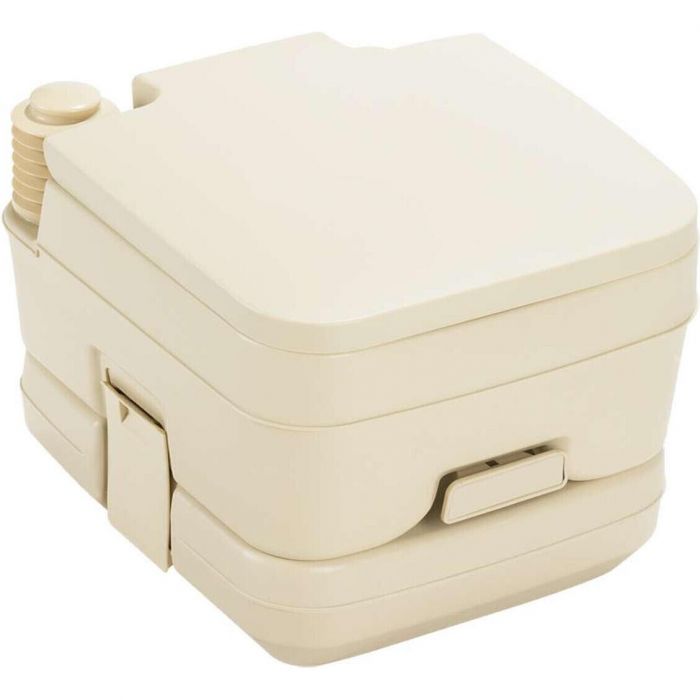
Water and waste that don’t make you swear.

A good drinking-water hose, a filter, fittings that don’t leak, and a simple sanitizing / winterizing routine.

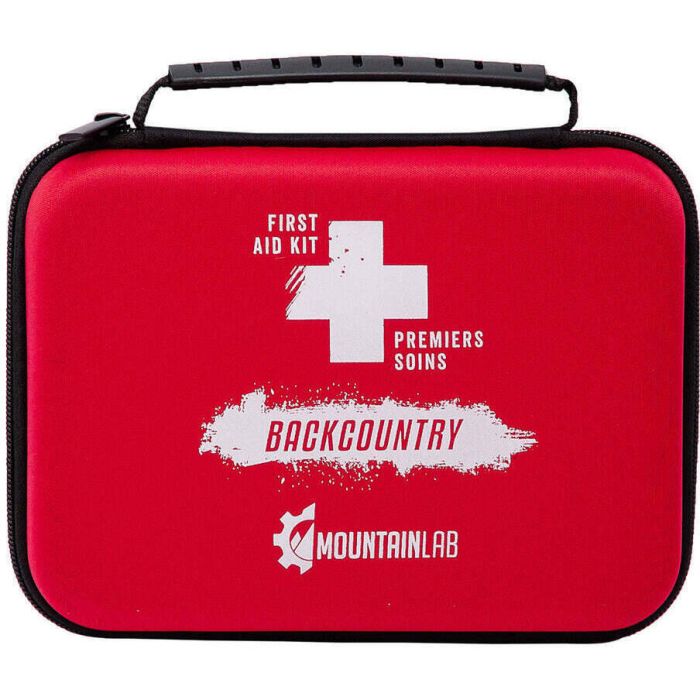
Boring-but-essential safety gear.

Tire gauge, chocks, jack that actually fits your rig. Recovery boards if you’re the "what’s down that road?" type.

If something only gets dragged out every few years, I mentally file it under "nice to have if you’ve got space." I know the folks at 6Routes try not to push that stuff as "must-haves."

If you’re staring at your rig and a map thinking "what do I actually need for this?" that’s the kind of email our crew likes. Tell us where you’re going, how long, and what you’re driving. We’ll help you cut gear, not add it.

The Short Version

RV parks, provincial parks and Crown land aren’t rivals. They’re tools.

  • Use RV parks when you need easy and predictable.

  • Use provincial parks when you want real nature with light infrastructure.

  • Use Crown land when you’re ready to bring your own infrastructure and trade certainty for space.

Get comfortable with all 3 and you stop obsessing about where you’ll sleep. You get to pay attention to the good stuff instead: the sky, the company, and which route you’re taking next.

Logging off for the day. See you out there, unless you’re into loon watching.

– Casey 6R

Related Content

Blank

Overlanding In Canada: A Beginner’s Guide

How to choose a capable vehicle, pack the right recovery and camp gear, and stay on the right side of the law.

Blank

Camping Gear For Canada: The Complete Checklist

A complete Canadian camping gear checklist for 3-season and 4-season trips.

Blank
6Routes Guides Hub

Field-tested RV, camping & overlanding tips for Canadians.