


Camping Gear For Canada: The Complete Checklist
From chilly spring nights to full winter send-offs, this Canadian camping gear checklist shows you exactly what you need for 3-season trips and what to add for true 4-season missions.
Want more tips like these? Check out our full list of Guides!
Guide Hub
Casey 6R | Dec 18, 2025 — The first time I camped "properly" in Canada, I packed like I was going to a sleepover, not into the bush. 1 cheap sleeping bag, 1 sad foam mat, 2 pairs of socks and a level of optimism that makes me cringe now.
By 3 a.m. I was doing that full‑body shiver you only get when the ground has stolen all your warmth and your feet feel like frozen opinions. Breakfast the next morning was me, silently questioning my life choices while my socks tried to steam dry over the fire (I burnt them).
So, (obvious) lesson number 1: Canada isn't mild. Even nice months can go South (or North, in this case) real quick; the weather swings like a mood, eh? But you don’t need a van full of gear to deal with it. You just need a good 3‑season kit, and a small stack of 4‑season upgrades for when things get frosty and you’ve got no magic hat.
Let’s build that once, properly, so you can stop overthinking and start booking trips.
Step 1: Building a Basic 3‑Season Kit
When I say "3‑season" in Canada, I mean spring, summer and fall with surprise cold snaps baked in. If you get this layer right, most of your camping life is covered.
I think in three’s: sleep, clothes, camp life.
Sleep: Where Trips Are Won or Lost
If you get nothing else right, get this right. For tent camping, I run a decent 3‑season tent with a full rainfly, an insulated sleeping pad (not just a pool toy) and a sleeping bag rated a bit colder than the coldest night I expect.
For RV camping, it’s the same idea translated into "house": a mattress or topper that doesn’t feel like plywood and a real duvet or good sleeping bag instead of whatever wafer came with the rig.
If I can lie there at night and think about how nice the silence is instead of how cold my feet are, that’s a success. And yes: extra dry socks live in the sleep bag. Sock insurance is a lifestyle.
Clothes: Layers, Always Layers
My 3‑season rule is simple: everything should dry fast and stack nicely. A light base layer I can sleep in if it gets chilly, a fleece that comes on and off ten times a day, and a rain shell that actually keeps water out.
On the bottom half, quick‑dry pants or shorts, not jeans that turn into wet sandbags. Plus a toque, light gloves and too many socks. Always too many socks.
If the weather flips from "sunny patio beer" to Sharknado 3 in an hour and you can keep up by adding or stripping a layer, you’re in good shape.
Camp Life: Cooking, Light, and Fixes
You don’t need an instagram-able kitchen. You need a stove that lights every time, one pot, one pan, something to make coffee with, and a cooler or RV fridge that actually holds temperature. Add a little wash tub, soap, sponge, and a towel you don’t mind sacrificing to camp grime.
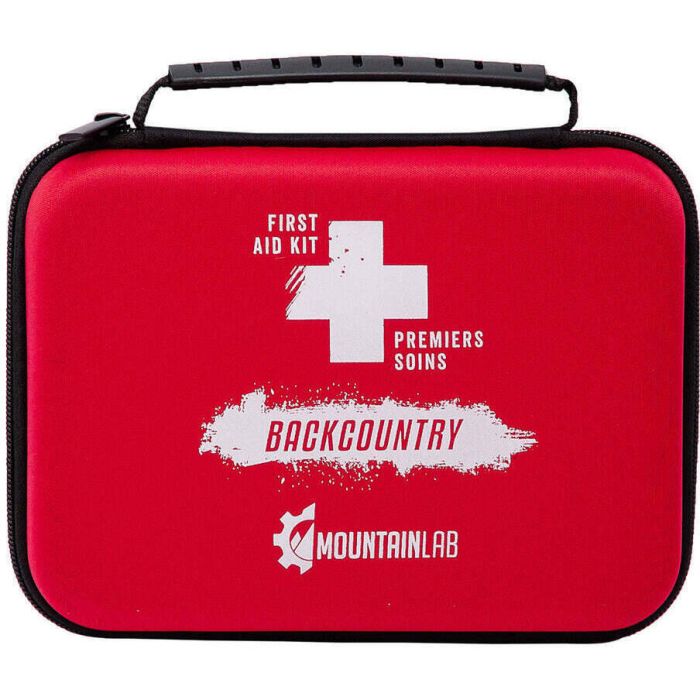
For light, a headlamp per person and a small lantern are enough. For safety, a real first‑aid kit and a tiny repair kit with tape, cord and a multi‑tool live in my bin. In the truck or RV, I keep a tire gauge, a way to air up, a jack that fits, and chocks so the whole rig stays where I left it.
None of this is glamorous. All of it is why I’m still relaxed on day 3 instead of improvising with trash bags and a lot of swearing.
Step 2: Add a 4‑Season Layer Without Starting From Scratch
"4‑season" sounds hardcore, but in practice it just means: you’re camping when temperatures and snow could ruin your day if you’re not ready. You don’t need to replace everything, you just have to upgrade a few critical pieces.
Warmer Sleep Comes First (Reminder)
Cold ground will eat you alive faster than cold air. For tents, I swap to a warmer bag and either a higher‑R pad or stack two pads (foam plus insulated inflatable). I’ll add an extra groundsheet under the tent where bodies lie. For RVs, I focus on plugging heat leaks: insulated window covers, vent cushions, and a heating setup that’s actually meant to be used in a small box. Furnace or safe heater, working CO detector, and a willingness to bail if the systems aren’t keeping up.
If you can sit up in the morning and think "yeah, that was chilly but fine" instead of "never again," your 4‑season sleep setup is doing its job.
Heavier Layers for Slower Days
Winter or shoulder‑season trips usually mean more standing around camp, less "warm from hiking." That’s when I add a thicker base layer, a real puffy, warmer gloves with a backup pair, and boots that don’t cry at the first sight of slush.
I’m not aiming for summit gear. I’m aiming for "I can cook breakfast and drink a full mug of coffee outside without losing feeling in my fingers."
Small Cold‑Weather Tweaks
A few other things quietly move from nice”to smart in 4‑season mode:
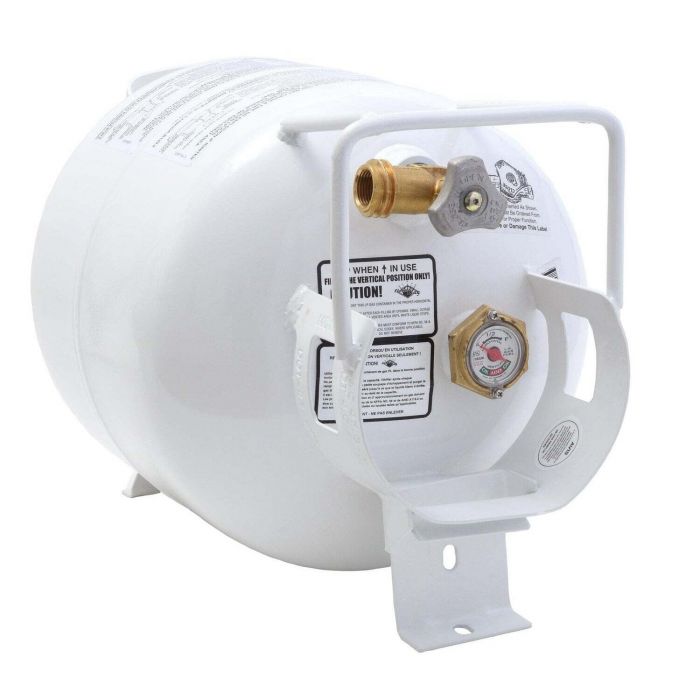
Fuel that still behaves in the cold (propane is your friend when butane sulks).
Food that’s simple and hot: stews, soups, oatmeal, endless hot drinks.
Water and fuel stored where they won’t freeze solid overnight.
An extra blanket or emergency bivy, just in case the night goes sideways.
None of this is complicated. It’s just paying attention to what the cold actually affects: batteries, fuel, fingers, feet, moods.
The Checklist
If you just want a quick reference, here’s how I’d write it on the inside cover of a notebook.
3‑Season Essentials:
Weatherproof shelter that doesn’t leak (tent or RV)
Insulated pad + 3‑season sleeping bag or decent RV bedding
Layered clothing that dries fast + warm hat + extra socks
Simple, reliable stove and cookware, cooler or fridge that works
Headlamps or small lantern, power bank
First‑aid and a minimal repair kit
Tire/vehicle basics so a flat doesn’t end your trip
4‑Season Add‑Ons:
Warmer sleep system (bag + pad) and better RV insulation
Heavier base layers, real puffy, good gloves, winter hat, proper boots
Cold‑friendly fuel, hot meal plan, extra blankets, extra light and (important) snacks
If you can check most of those boxes, you’re ready for a lot of what Canada will throw at you, from blackflies in June to that weird October weekend where it snows and then melts in the same day.
Pack Smart
If you’re staring at your current pile of gear thinking, "Okay, but what am I actually missing for my next trip?" that’s where the crew at 6Routes comes in handy. Tell us where you’re heading, when, and whether you’re in a tent, trailer or RV, and we’ll help you tune the list instead of pushing twelve new toys you’ll never use.
Pack smart once, add a few pieces as you go, and you’ll get to focus on campfires and good stories instead of burning through your socks over the stove at dawn.
Off to buy some socks.
– Casey 6R
Related Content
Where To Camp In Canada With An RV
A no-nonsense guide to choosing between RV parks, Crown land and provincial parks in Canada.
Overlanding In Canada: A Beginner’s Guide
How to choose a capable vehicle, pack the right recovery and camp gear, and stay on the right side of the law.