


Overlanding In Canada: A Beginner’s Guide
New to overlanding in Canada? Learn how to choose a capable vehicle, pack the right recovery and camp gear, and stay on the right side of Crown land and public land rules.
Want more tips like these? Check out our full list of Guides!
Guide Hub
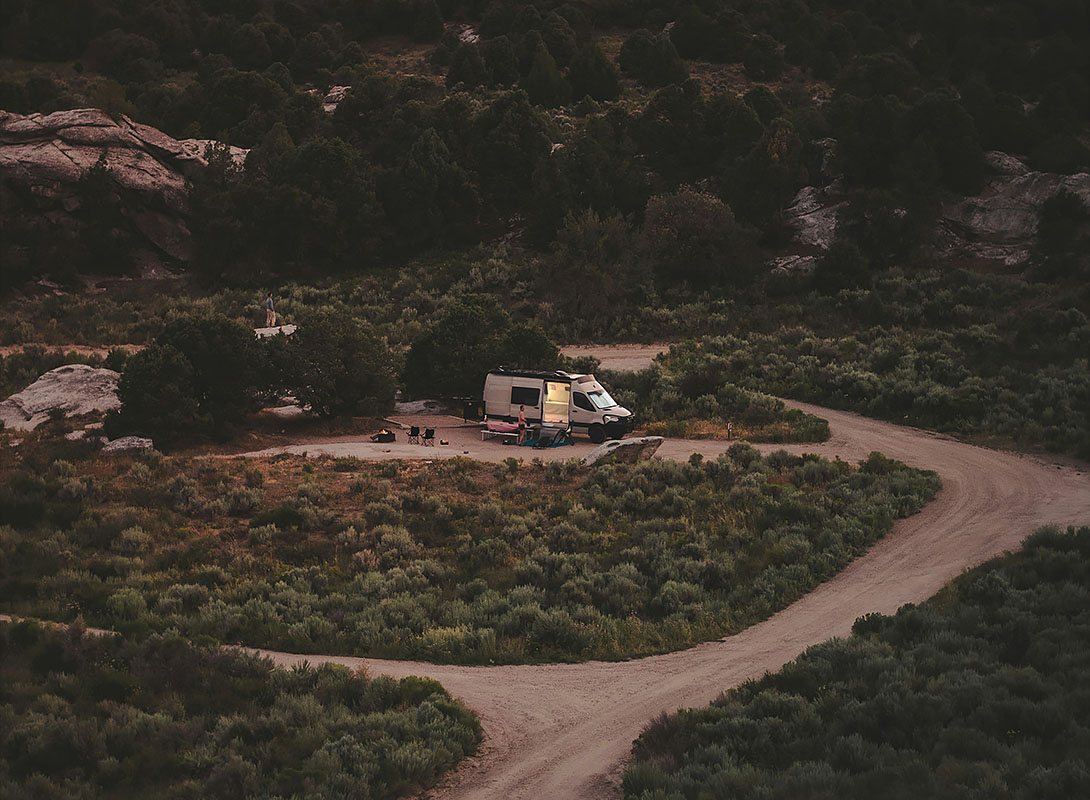
Casey 6R | Dec 20, 2025 — The first time I went overlanding in Canada, I was basically just chasing a grey line on a map. You know the one: not quite a highway, not quite a trail, just a faint little line your GPS swears is a road. I followed it like it owed me money.
An hour later I’m on a washed‑out logging road, the truck is doing interpretive dance on the ruts, and the "road" ends at a beaver dam with just enough room to turn around if you’re very calm and only mildly panicking.
That’s when it clicked: overlanding here isn’t about bolting more gear to the truck. It’s about knowing where you’re allowed to go, what your vehicle can actually handle, and having enough kit to get yourself out when that grey line is lying to you.
Let’s break it down so your first trips are more "adventure" and less "we almost divorced on a forest service road."
What Overlanding Actually Is (In Canada, Not in Some Ad)
People throw "overlanding" around like it’s a religion. At its core, it’s pretty simple: Self‑reliant, vehicle‑based travel where the journey matters more than the destination, usually on a mix of backroads, gravel and trails, with camping as your home base.
For more on the topic, I’d recommend the wonderful article: What Exactly is Overlanding by Tread Magazine.
It’s not rock‑crawling. It’s not just driving to a campground and plugging in. It’s that in‑between world where you leave pavement, follow lesser‑used roads, and sleep somewhere that doesn’t have a reservation system.
Canadian flavour of overlanding looks a lot like:
Forest service roads and hydro cuts
Crown land pullouts and rec sites
Long distances between fuel, food, and cell service
You don’t have to disappear for months. A weekend exploring logging roads in Ontario or a couple of nights in Alberta’s Public Land Use Zones absolutely counts.
Vehicles: What Actually Works (And What’s Overkill)
Here’s the part the internet loves to overcomplicate. You do not need a six‑figure rig on 35s with sixteen light bars to start overlanding in Canada. If you have a reliable vehicle, some clearance, and a functioning brain, you can start small.
I put overland rigs into 3 loose buckets:
What you already drive: a stock SUV, crossover, wagon or pickup.
Mildly built: better tires, maybe a small lift, skid plates, basic recovery points.
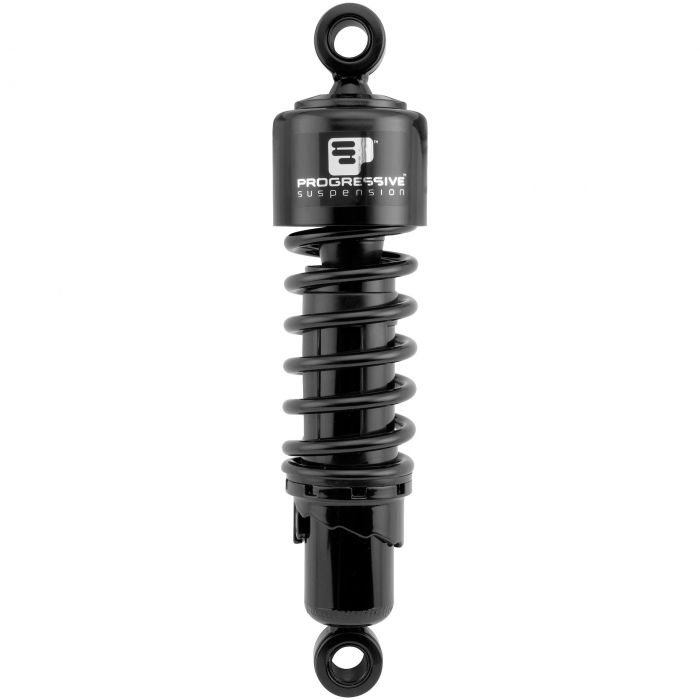
Full send: custom suspension, lockers, snorkel, the whole catalogue.
If you’re reading a beginner’s guide, you’re probably in category one or eyeing category two. That’s perfect.
What matters more than bolt‑ons:
Ground clearance: will your underbelly survive ruts and rocks?
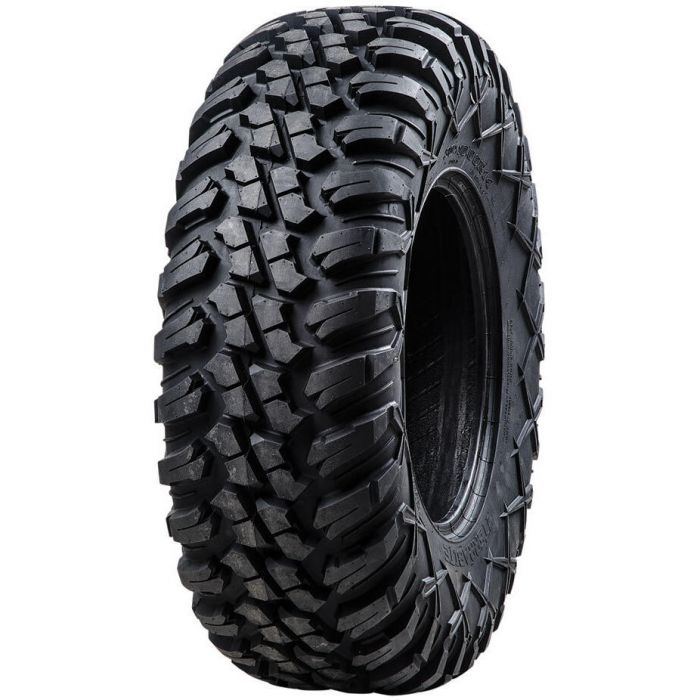
Tires: decent all‑terrains beat bald all‑seasons every day of the week.
Payload and weight: if you pack like you’re moving apartments, the suspension will hate you.
Recovery points: real, rated tow points front and rear, not just the decorative loop they put on for shipping.
I’ve seen bone‑stock trucks go a lot of places calmly, and I’ve seen "built rigs" get in trouble on a muddy access road because the driver thought hashtags replace judgement.
Start with what you have. Know its limits. Keep your first trips to roads where, in the absolute worst case, you can still turn around when that grey line goes full chaos.
Gear: The Stuff That Actually Matters Out There
Overlanding is basically camping plus driving where the pavement ends. So your kit falls into two piles: drive stuff and live stuff.
Drive Stuff
Bare minimum I like to have on Canadian backroads:
A full‑size spare that’s not 20 years older than your other tires
Jack and tools that actually work with your rig
Tire gauge and some way to air up (compressor or at least a plan)
A shovel (the humble hero of many dumb situations)
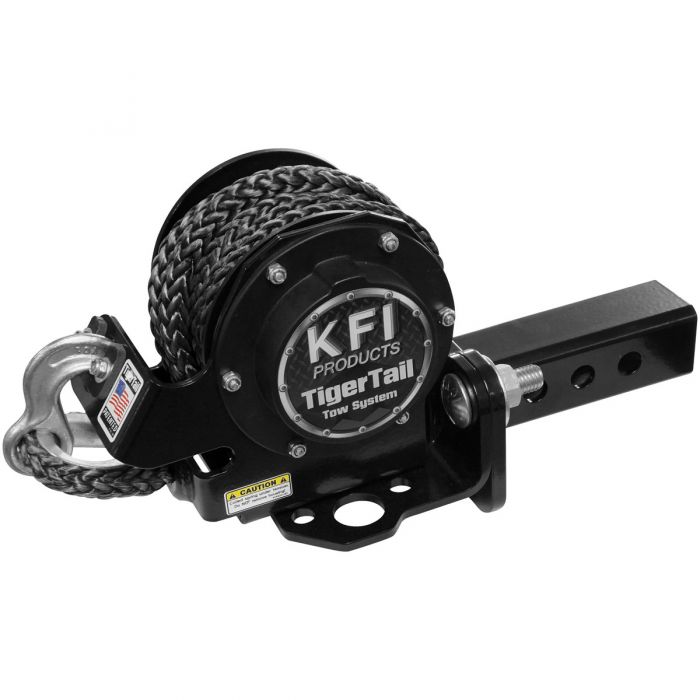
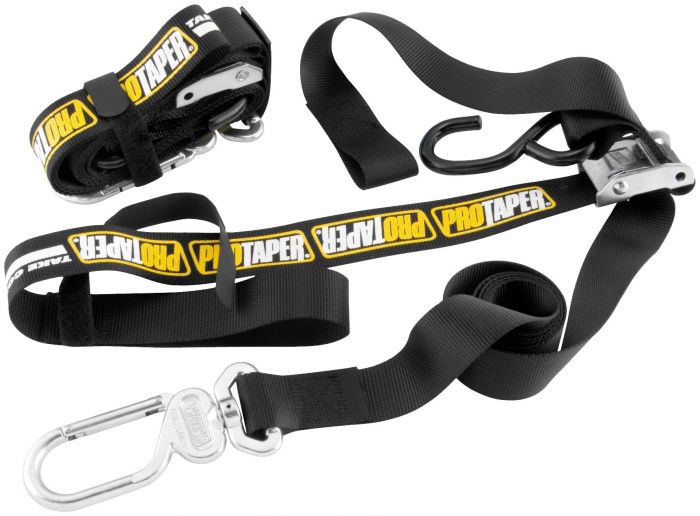
A recovery strap and proper attachment points
Basic tool roll: fuses, tape, zip ties, that sort of thing
Traction boards, fancy jacks and on‑board air are nice, but not level one mandatory. If your first trips are on relatively sane gravel, you’ll get far with just the basics and a healthy respect for mud.
Also: fuel. Canada is big. Gas stations are not. If your route goes through the kind of place where the town sign is hand‑painted, do the math on range before you find yourself watching the gauge and bargaining with the universe.
Live Stuff
Out at camp, overlanding doesn’t have to look different from normal tent or RV life, it’s just more self‑contained. My base is:
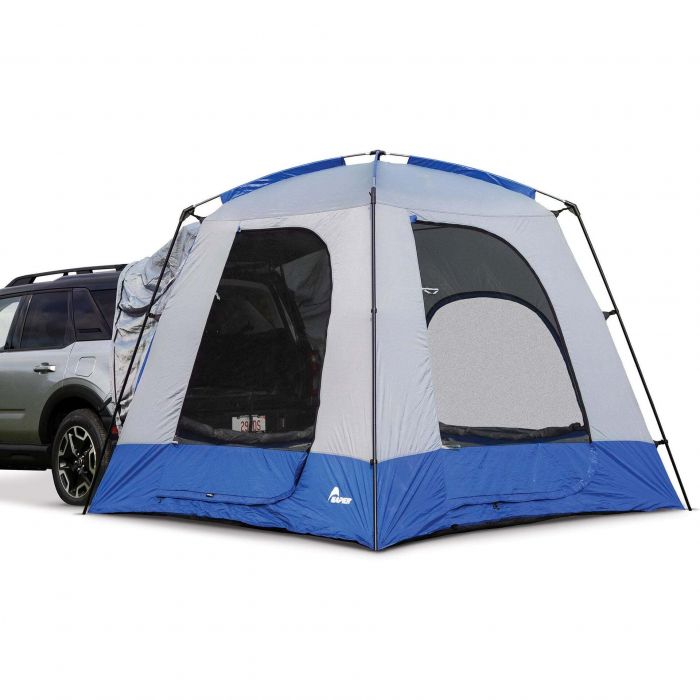
Shelter I trust (ground tent, rooftop tent, or a bed setup in the truck)
A sleep system rated for the coldest realistic night
A stove that lights every single time
A way to keep food cold (cooler or 12V fridge)
Enough water for drinking, cooking and basic cleanup
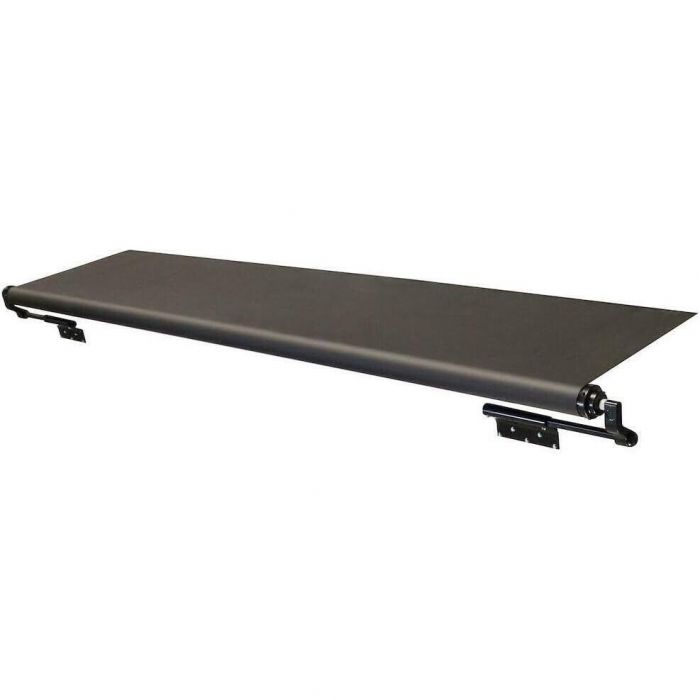
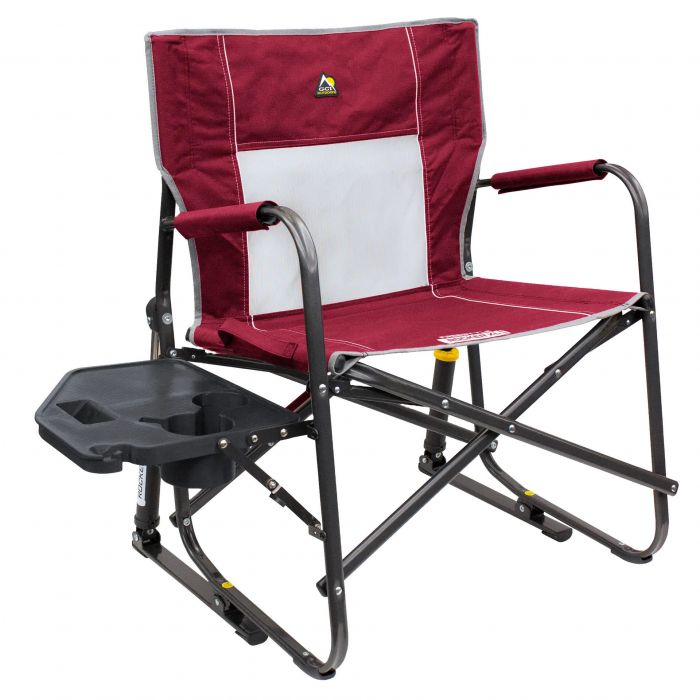
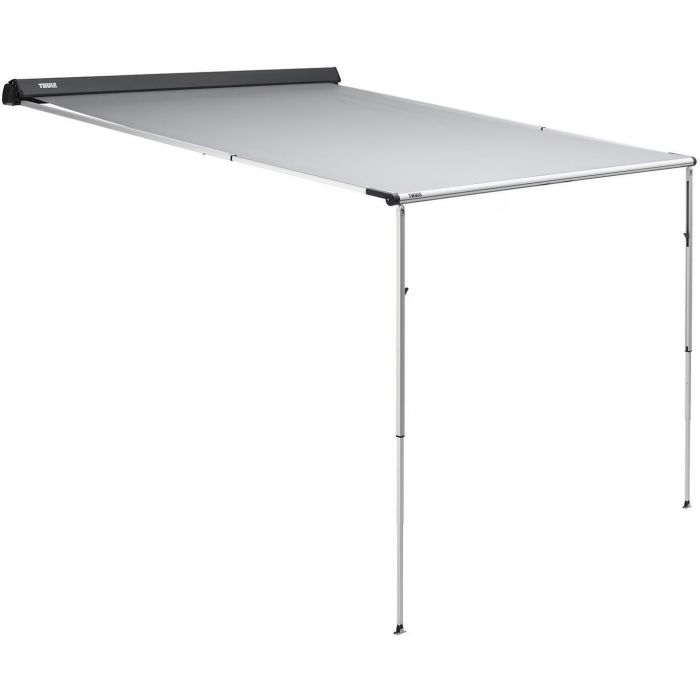
From there, you add comfort based on how you camp: an awning if you like shade and rain cover, better chairs if your back is picky, simple lights so you’re not cooking by headlamp beam.
If a piece of gear doesn’t pull its weight every couple of trips, I stop carrying it. The whole point is to keep things simple enough that getting out the door isn’t a production.
Legalities: Where You Can (And Can’t) Just "Pull Off and Camp"
Here’s the less sexy, very important part. In Canada, you can’t just point at a random patch of trees and declare it "overland camp now." Different provinces treat public land differently, and the rules for residents vs non‑residents can change the game.
Crown Land & Public Land Basics
Crown land is public land, owned by federal or provincial governments. In a lot of provinces, Canadian residents can camp on certain Crown lands for free for up to 21 days at one site before they have to move on. That 21‑day rule is the standard in Ontario, for example.
Non‑residents usually need a permit and sometimes are restricted to specific zones or charged a per‑night fee. Ontario, for example, requires most non‑residents over 18 to have a Crown land camping permit in the north.
Out west, Alberta’s Eastern Slopes require a Public Lands Camping Pass if you’re camping on certain public lands, whether you’re in a van, truck, or RV.
British Columbia and Alberta also have recreation sites that feel "free and wild" but are managed and sometimes ask for small fees.
Moral of the story: before following that inviting grey line, you want to know:
Is this Crown/public land, a managed rec site, a provincial/territorial park, or private land?
Are there permits or passes required for camping or even just being there with a vehicle?
Are there stay limits (like 21 days) and restrictions on fires, off‑road travel, or noise?
Most provinces have online Crown land maps or "public land use zone" info. They’re not always pretty websites, but they beat a ticket or an awkward conversation with a conservation officer.
For more on the subject, I’ll shamelessly recommend another article I wrote: Where To Camp In Canada With An RV.
Roads, Tracks & "Don’t Be That Person"
A few other legal/ethical points you’ll bump into fast:
Staying on existing roads and trails is usually the law, not just a suggestion.
Gates, fences and "no trespassing" signs mean exactly what they say, even if your map shows a road continuing.
Some forest access roads can be closed for fire risk or logging; signs trump apps. If an area has rules about group size, campfires, or waste, they apply to rigs as much as tents.
Overlanding works here because most people treat the land decently. The more we act like guests instead of conquerors, the more those little grey lines stay open to public use.
Quick-Start Guide: Your First Canadian Overland Trip
If this all feels like a lot, here’s the simple version I wish I had when I started:
Pick an area with known backroads: a network of forest service roads, a PLUZ, rec sites, something that shows up in trip reports, not just on a satellite map.
Run your current vehicle as‑is, but get it fully serviced, check your spare, and toss in basic recovery gear and extra water.
Plan conservative days: fewer kilometres than feels heroic, with extra time for scouting, wrong turns and just stopping somewhere nice.
Camp where it’s clearly allowed: signed rec sites, designated Crown land spots, legal pullouts, not random clear‑cuts or someone’s lease.
When that grey line on your map starts to look suspiciously narrow and the trees are closing in, stop and ask: "Do I want to back out of this in reverse?" If not, that’s your turnaround.
If you’re staring at your rig thinking, "OK, but what do I actually need for a first overlanding weekend in my specific province?" That’s where the crew at 6Routes gets unreasonably excited. Tell us what you drive, roughly where you want to roam, and how you like to camp. We’ll help you build a simple list that fits your reality, not someone else’s build thread.
Pack smart, respect the land, and give yourself room to learn. Canada is big enough that you don’t have to conquer every road to have a ridiculous amount of fun out there.
Quite the mouthful, but it needed to be said. Now, I need another coffee.
– Casey 6R
Related Content
Where To Camp In Canada With An RV
A no-nonsense guide to choosing between RV parks, Crown land and provincial parks in Canada.
Camping Gear For Canada: The Complete Checklist
A complete Canadian camping gear checklist for 3-season and 4-season trips.